Sleepwear is available in diverse shapes, styles and materials. The selection of the fabric is one of the most significant methods of making pajamas comfortable and lasting longer. One of the primary types of fabric woven is used in traditional sleepwear. It is of a special composition that renders pajamas an elegant form, smooth texture, and great durability. PJGarment has got a lot of experience with high-quality woven fabrics for luxury pajamas. This article describes the definition for woven fabrics, how they are produced and why they can be used as sleepwear.
What is Woven Fabric?
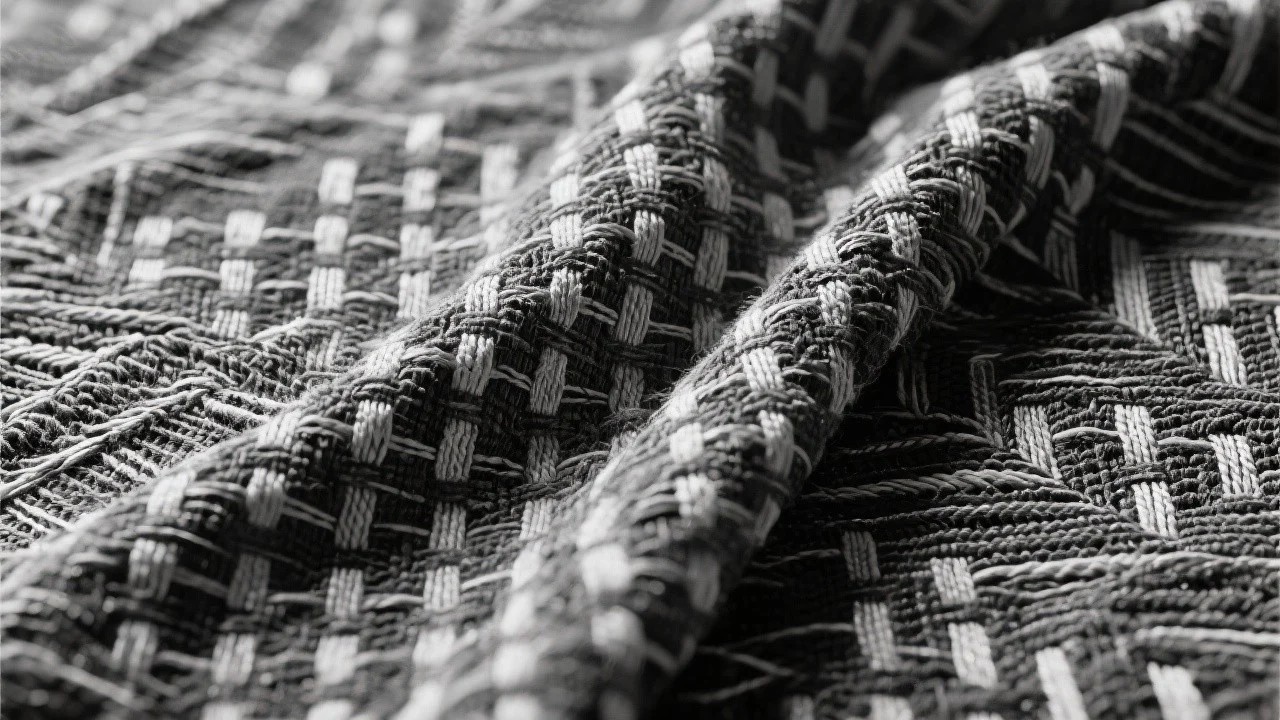
Woven fabric is produced through an intersection of two sets of threads at right angles. One of them is up and down and is referred to as the warp. The other is the side-to-side set and is referred to as the weft. The threads are woven on a loom, which is a machine that holds the threads firmly in place. Warp threads create a good basis, and the weft threads pass in and out to produce the surface of the cloth. This construction renders woven fabric firm and stable, unlike knitted fabric. Knitted material is more elastic as it is produced using loops, as opposed to crossing threads and is also more stretchable, like a basket. The threads are similar to the strips of a basket and cross each other to form a powerful surface. This is one of the most ancient methods of cloth-making by human beings and is still being applied to date in making sleepwear and other garments.
How Woven Fabric is Made for Pajamas
The process of weaving a fabric to be used in sleepwear is carried out in a number of steps. First, the yarn is chosen. Pajamas are of good cotton or silk. Cotton is breathable, soft and comfortable. Silk is a smooth and glossy fabric with its cool feel on the skin. The warp and weft are made ready separately in each type of yarn. The yarn is then put on a loom. The threads are passed through a tight manner, and the weft thread over and under the warp thread following an accurate pattern. This interweaving binds the threads together, forming the fabric. The simplest one is known as a plain weave. Other patterns would be twill and sateen, which would provide it with different textures and appearances after weaving. Additional processing can be done, such as dyeing, printing, or finishing, to give it a better look and feel. Lastly, it is sliced and sewn into pajama sets, robes or nightgowns. The woven material keeps collars flat, hems straight and also after washing, pajamas keep their shape.
The Main Features of Woven Fabrics
Woven fabrics have many properties that qualify them as classic sleepwear. First, they are powerful and firm. Woven fabric is not elastic, and therefore, it holds its shape despite being used numerous times. This gives it an ideal fit as structured sleepwear, such as long-sleeve pajama tops and robes. Second, woven fabric has a smooth surface. This makes it possible to have patterns, prints and designs on the fabric clearly. It also feels nice on the skin. The pajamas are silk, of a satin finish, particularly smooth and shiny. Third, the woven fabrics are not easy to lose shape. Pajamas made of cotton can be crispy, clean and soft. This helps in creating elegant lines in sleepwear like straight collars, flat plackets, and sharp shoulders. One of the aspects that makes the traditional pajamas look elegant is the organized look.
Why Woven Fabrics Work for Classic Sleepwear
Weaving fabrics provides pajamas with that clean and classic appearance. They remain in shape, are smooth and durable, and are long-lasting compared to most other fabrics. Other designs are also enforced on woven fabrics like collars, cuffs and pleats that are required to be held. They are a middle ground between comfort and luxury, which is why they may be applied to traditional sleepwear sets and robes. Even though the woven fabrics do not stretch, this is generally an advantage. A robe woven of cotton or silk will be able to retain its shape and provide a comforting and stable feel. Woven pajamas appear clean after laundry and can be used for a long period of time.
Conclusion
An option that can be used as traditional sleepwear is woven fabrics. They are well constructed, smooth, and permanent in shape, which is suitable for high-quality pajamas and robes. Various types of weaving, textures and feels are formed by different types of fibers and weaving patterns, such as soft cotton and slick silk. The knowledge of woven fabrics will assist in understanding why pajamas do not fall out of shape and are comfortable to wear. The learning experience on the use of woven fabrics by PJGarment reveals the ability to make comfortable and elegant sleepwear by being careful with the selection of fabrics and weaving them. Classic sleepwear relies on the fabrics that are stable, beautiful, and last long, and woven fabrics can satisfy all these requirements in a very simple and trustworthy manner.