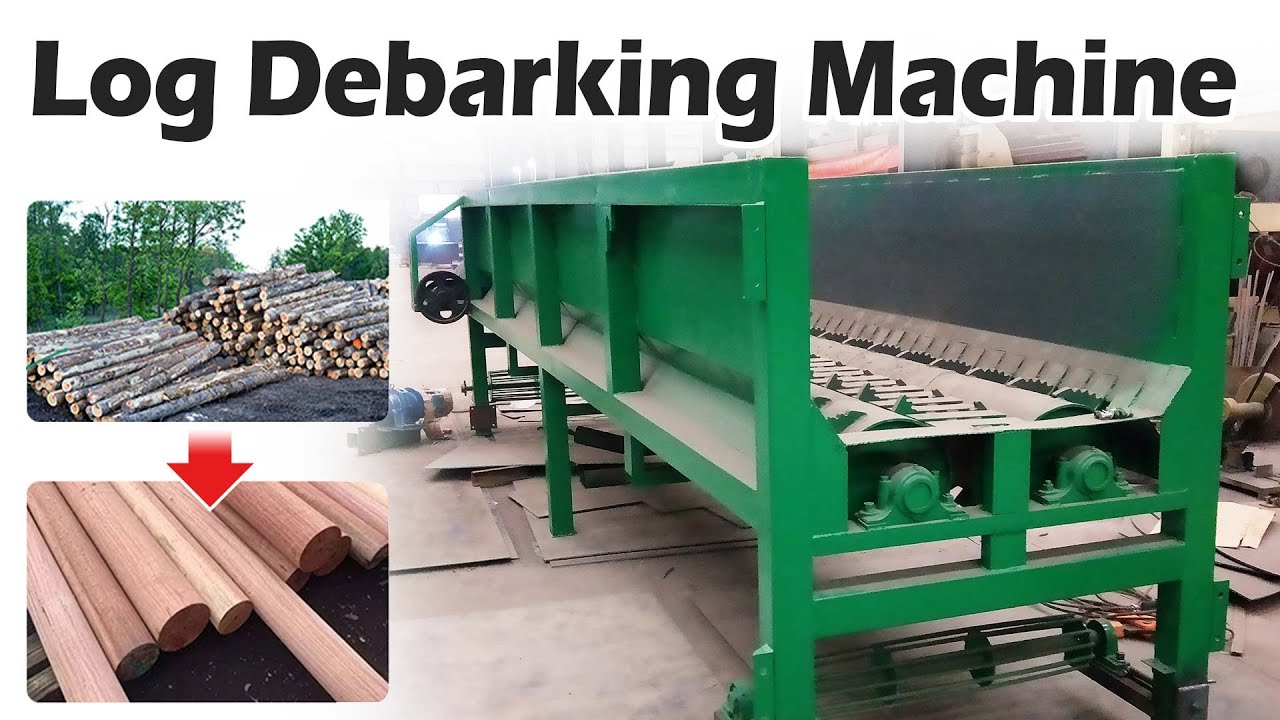
Log debarking is an important step in wood processing around the world. It removes the rough outer bark before cutting or shaping begins. Clean debark logs help machines work better and last much longer. Many plants use tools made by JYF Machinery for this task. Good methods help keep work smooth, safe, and steady every day.
Understanding the Purpose of Debarking
Bark protects trees while they grow in forests over many years. However, bark is not useful in most wood products. It usually brings dirt, sand and minute stones on the ground. Saws and other cutting tools may be damaged by these materials in a short time. Removing bark first helps protect machines and improve final wood quality.
Choosing the Right Debarking Machine
Different machines are used to remove bark from logs today. Ring debarkers strip bark as logs pass through a rotating ring. Drum debarkers tumble logs together inside a large turning cylinder. Each method works well for certain log sizes and wood types. The correct choice depends on log shape, size, and production needs.
Checking Logs Before Debarking
Logs should be checked before entering a debarking machine. Workers look for metal, large stones, or heavy soil buildup. These objects can damage machine parts during operation. Removing visible debris helps protect wear tools and machine surfaces. Simple checks can prevent costly damage and sudden machine stops.
Feeding Logs at a Steady Rate
Logs should move into the machine at a controlled, steady speed. Overloading the system can cause jams or uneven bark removal. Too few logs may reduce efficiency during working hours. A steady feed keeps pressure balanced inside the machine. This helps tools contact the log surface evenly.
Keeping Proper Contact With Log Surfaces
Debarking tools must press against logs with the correct force. Too little pressure may leave bark patches on the surface. Too much pressure can cut into usable wood beneath the bark. Proper adjustment allows bark removal without deep wood damage. Balanced contact improves both log quality and machine life.
Monitoring Wear Parts Regularly
Parts that touch logs wear down over time with constant use. Worn tools may reduce debarking quality and slow production rates. Regular checks help workers see when parts need replacement. JYF Machinery wear tools are made for strong resistance to impact. Even strong parts still require planned inspection and timely changes.
Maintaining Clean Work Areas
Bark pieces fall away during the debarking process in large amounts. If not removed, bark can pile up near machines and walkways. This can create slipping risks for workers in the area. Clean floors help keep the work site safer each day. Good housekeeping also supports smooth material flow through the plant.
Adjusting for Different Log Sizes
Logs entering a facility may vary in diameter and length. Machines must adjust to handle these changes smoothly. Proper settings help tools stay in contact across different log shapes. This keeps bark removal even from one log to another. Flexible adjustment supports stable output across long shifts.
Reducing Damage to the Wood Surface
The goal of debarking is to remove bark, not useful wood. Deep cuts reduce the value of the final wood product. Modern tools aim to strip bark while leaving smooth wood surfaces. Careful settings and steady operation help achieve this balance. Less wood loss means better material use overall.
Planning Regular Maintenance
Debarking machines work under heavy loads for many hours daily. Frequent maintenance ensures systems last longer without a hassle. Good practice includes the acts of lubrication, cleaning, and part checks. Planned maintenance minimizes the possibility of unexpected failures. Consistent maintenance facilitates the daily activities, which are safe and reliable.
Supporting Later Processing Steps
Debarked logs move on to sawing, chipping, or peeling operations. Clean surfaces help these machines cut more smoothly and evenly. Less dirt reaches blades and cutters in later stages. This helps reduce wear on downstream equipment. Good debarking supports better performance across the entire process line.
Managing Removed Bark Material
Bark removed from logs becomes a separate material stream. Some facilities use bark as fuel or ground cover. Cleanly separated bark is easier to reuse in safe ways. Proper handling prevents clutter around machines and work areas. Organized material flow helps keep the plant running efficiently.
Conclusion
Good debarking practices focus on steady work, clean logs, and machine care. Correct machine choice and proper settings support even bark removal. Regular checks of wear tools help maintain consistent performance. Clean work areas and planned maintenance improve safety and reliability. Using these methods, facilities can keep wood processing smooth and effective.